• About Us
    • Affiliate Disclosure
  • Chickens
  • Goats
  • Homesteading
  • Garden
  • Kitchen
  • (Modern) Farmhouse
  • Outdoors
  • Contact Us
    • Media

Chickens are a Gateway Animal

It all starts with one chicken...

Chicken Keeping in Winter

November 19, 2015 by Ros Leave a Comment

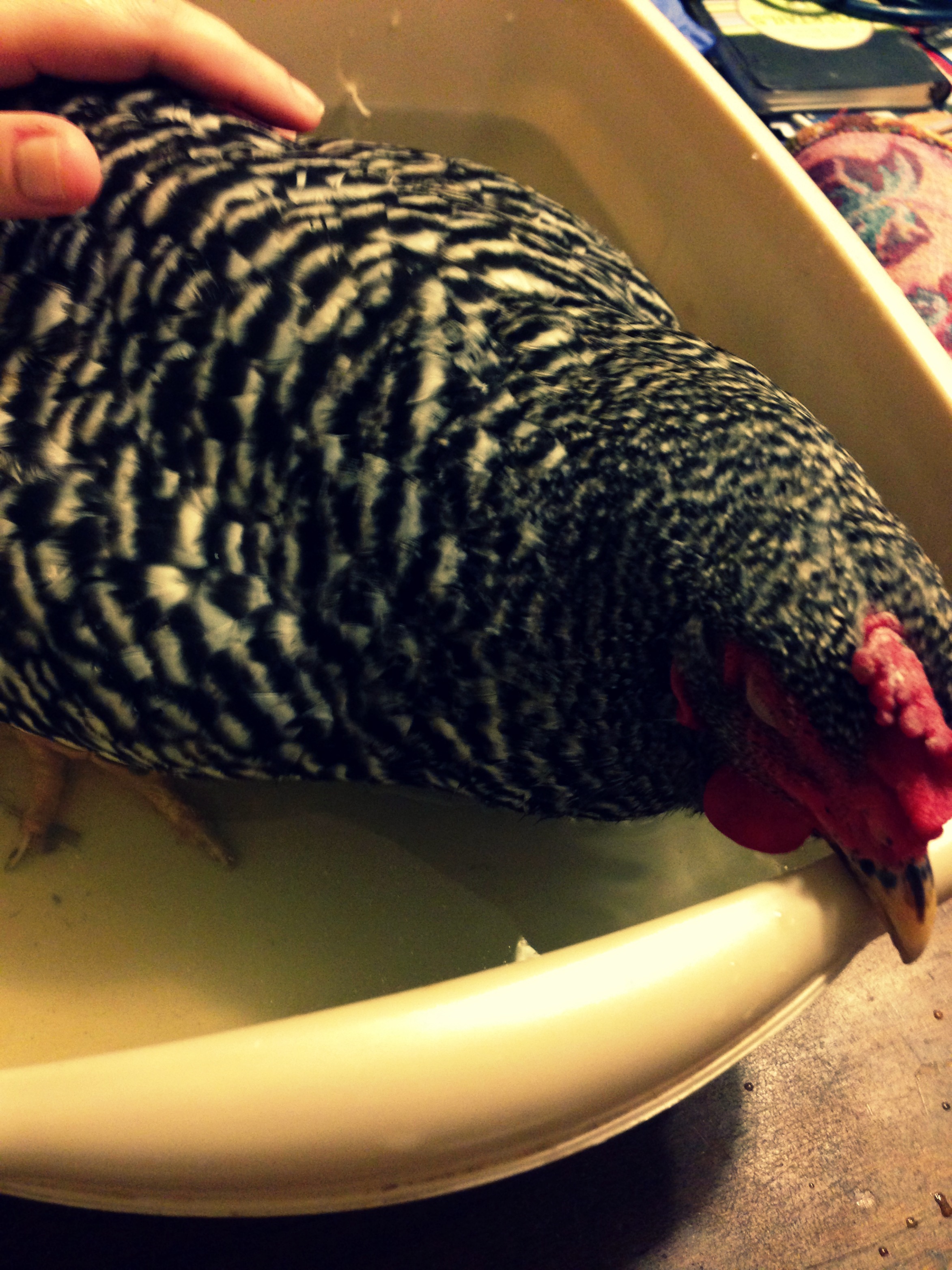
Chicken keeping in winter | Jessica Lane | 104Homestead.comSource: Jessica Lane, 104Homestead.com

We’re grateful that Texas winters are historically quite mild.  Our chickens - who refuse to coop up at night, even in winter - are not in any serious danger of frostbite or exposure, but we do take a few measures to keep them comfortable in the winter months.

Tips for Chicken Keeping in Winter:

  • Clean your coop before the cold sets in.

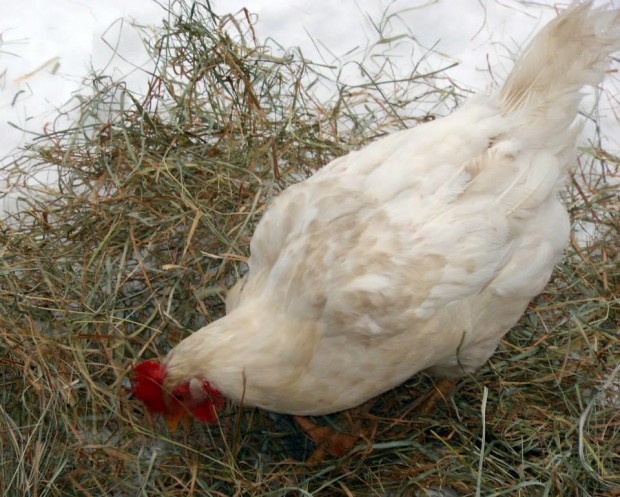
Let’s be honest, you’re unlikely to do much coop cleaning during the coldest months and by spring… Pee-yoo! The smell will be rough.  Take this opportunity to give your coop a deep clean before you close things up for the winter. (Tip:  We like to use apple cider vinegar when cleaning our coop and run).

Chicken keeping in winter | Janet Garman | TimbercreekFarmer.com

Source:  Janet Garman, TimberCreekFarmer.com

  •  Ensure that your waterers don’t freeze.

There are many great instructions online to do this, but please remember that just about all of these heated waterers pose a risk for fire.  I’ve seen pictures of the aftermath of a fire in a chicken coop and I just… I don’t think the benefit outweighs the risk in our specific situation and our location here in Texas.  Instead, on the colder days, we will make sure to keep a fresh waterer inside the house and one out in the coop.  Throughout the day (I work from home) I will simply go out to the coop and swap the inside one for the outside one.
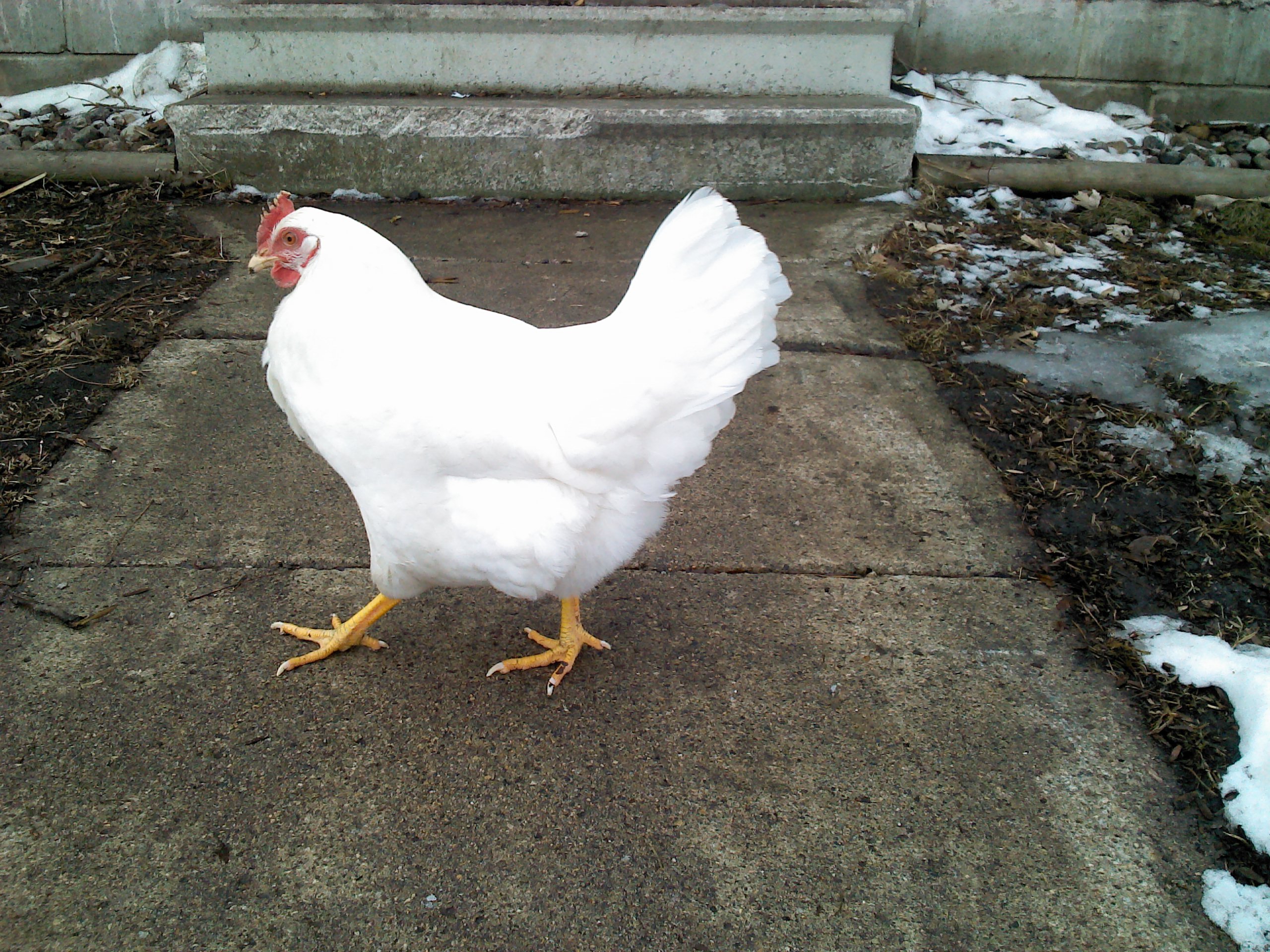
Chicken keeping in winter | Erica Nygaard | LivingLifeinRuralIowa.com

Image:  Erica Nygaard, LivingLifeinRuralIowa.com

  •  Insulate the run.

I’ve already mentioned that our girls are not big fans of the coop.  The only times they go in there are when it’s really pouring with rain (sometimes), or when they lay.  They always lay in the coop.  They are very active, and enjoy the outside run area immensely.  Again, in Texas it doesn’t really get super cold and we rarely have much of a freeze in our area, but we do experience some pretty chilly winds.  We’ve found two great inexpensive ways to protect the girls from the wind, while still allowing for maximum sunlight and fresh air.  Last year we purchased a few of those cheap, clear vinyl shower curtains from the Dollar Store.  We loved that they were clear enough for us to always have eyes on the girls, even while the wind was being blocked and the price was pretty good too.  BUT, being cheap, the curtains tear pretty quickly in the wind and by the time winter was over our coop looked a total mess of shredded plastic.  This year we’re using plastic painters drop cloth from Walmart - not as see-through as the shower curtain, but much much thicker quality - price is only slightly higher, I think we paid about $5 for a GIANT roll.

IMPORTANT!  Always make sure that there is plenty of airflow into the run area.  Yes, it’s important that they’re warm, but it’s even more important that they have fresh air.  Be sure to leave at least one section uncovered and air free-flowing.
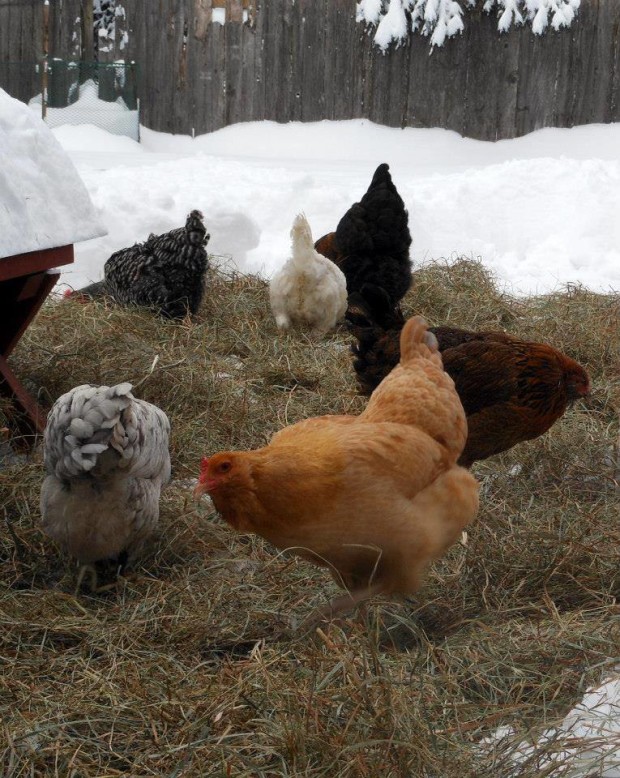
Chicken keeping in winter | Jessica Lane | 104Homestead.com

Source: Jessica Lane, 104Homestead.com

  • To heat or not to heat?

Again, there are two camps when it comes to heating the coop.  We don’t need to, but some of you may need to improve the warmth in there.  Some people use a heating device - again, a big risk of fire and we’re just not willing to take that chance.  I’ve seen great projects where chicken keepers lined the coop walls with hay bales, while others swear by deep litter method (i.e. not cleaning the litter floor during winter.  The poop naturally warms up and heats the coop).  Please consider giving these natural options a try before going straight to the heater.  Chickens are hardier than you think!

  • Some like it hot!

On cold mornings my girls love a big bowl of warm oatmeal with a sprinkle of cayenne pepper on top.  As an extra treat, if they’re looking a little “low” I may also drizzle a tiny bit of molasses as a pick-me-up.  Cayenne?? Yes.  Chickens don’t have taste buds for the “spicy” flavors.  They don’t taste anything different, but the capsaicin in the cayenne pepper elevates their body temps slightly and keeps them more comfortable.
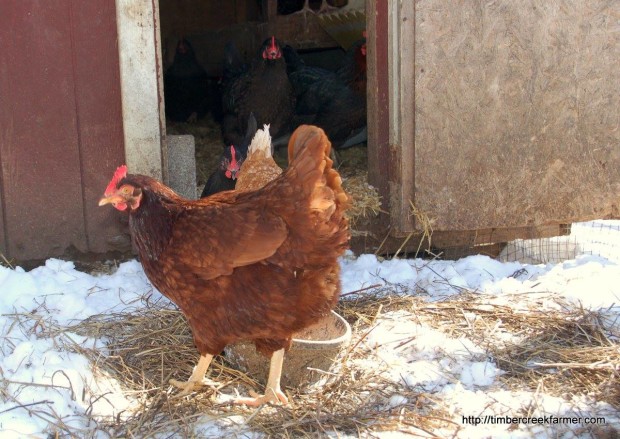
Chicken keeping in winter | Janet Garman | TimbercreekFarmer.com

Source:  Janet Garman, TimberCreekFarmer.com

  • Rough around the edges.

Before winter hits, go out and buy yourself a giant tub of Vaseline.  Smear a little on your chickens comb and wattles.  This prevents frost bite.

  •  Artificial light sources.

This is a controversial topic in the chicken keeping world.  Egg production drops significantly in the dark, short days of winter - in some cases it stops all together.  There are some people who advocate adding an artificial light source to the coop to trick them into thinking the day is longer, and thereby increasing egg production.  Others feel that this is an artificial manipulation of the chicken’s natural rest cycle and potentially damaging to the chicken.  We don’t add light sources.  We have tried it in the past with little success and this year we are prepared for the shortage by preserving and stock piling eggs for this “dry season”.

You may also enjoy these posts about fun ways to keep your chickens entertained during the winter months:

  • Chicken Winter Boredom Busters
  • Sunday Chicken Treats

There you have it!  7 9 quick tips for chicken keeping in winter.  A special thank you to my northern friends for the use of your beautiful pictures of your chickens in the snow.
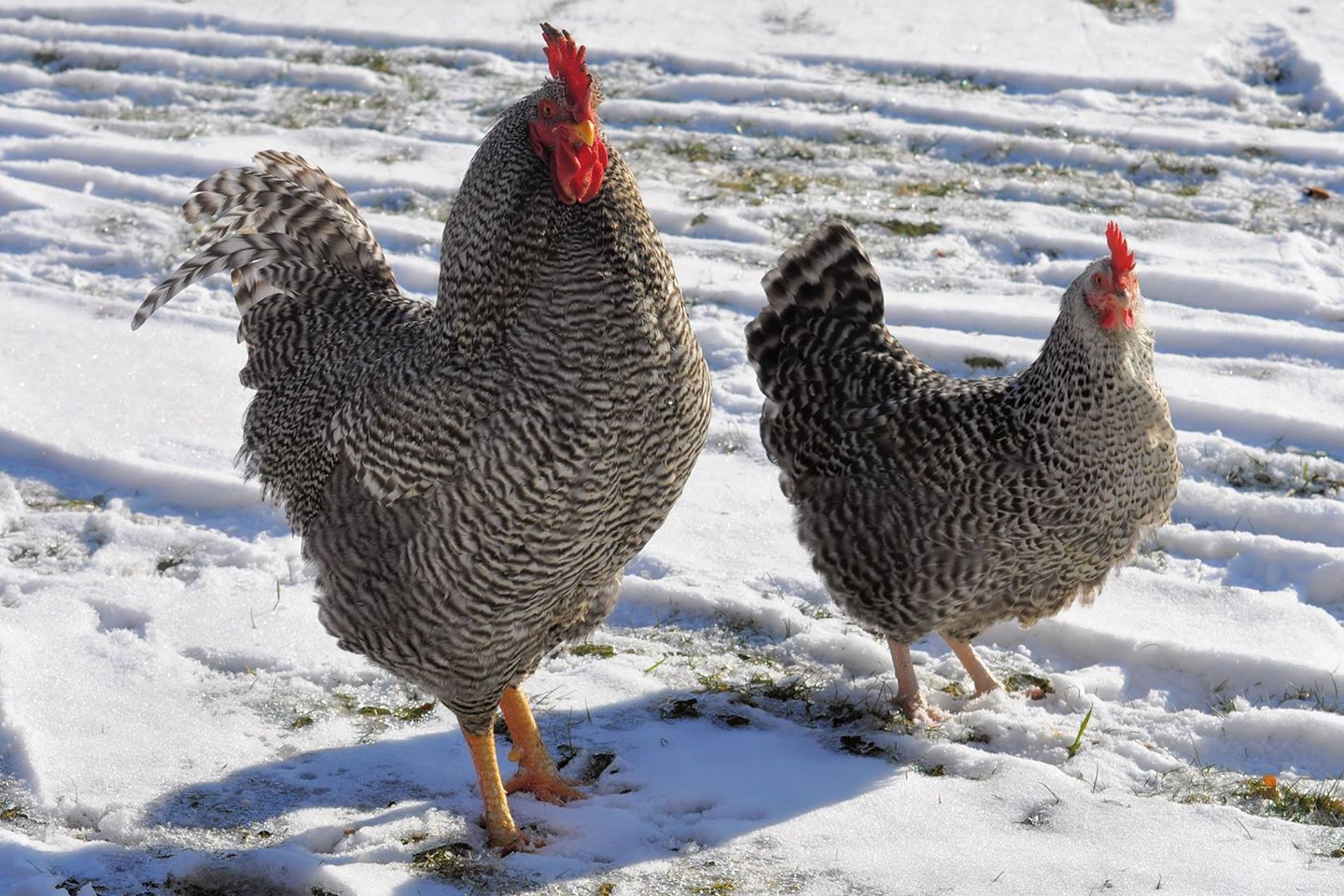
Chicken keeping in winter | Lesa Wilke, Betterhensandgardens.com

Image:  Lesa Wilke, BetterHensandGardens.com

Did I miss something?  What do you do to ensure your girls are happy and comfortable in the colder months?  Share with us in the comments below.


Filed Under: Chickens, Featured

Building a Chicken Dust Bath

October 22, 2015 by Ros 8 Comments

Building a Chicken Dust Bath | ChickenGateway.com

Chickens love to dust bathe and dust bathing is the best way to keep lice and mites at bay.  Lately we’ve noticed that our little flock are starting to look a little “ratty” and two have some pretty significant bald spots.  Not only does it look very painful, but with the colder weather on it’s way I am concerned about how they will keep themselves warm on those chilly December nights.  These two girls are particularly grumpy lately and wouldn’t let me close enough to get a good picture of the feather shafts, but there appears to be a grey “fuzz” towards the base of the feathers, up close to the skin.  

Our girls have always created their own little dust baths around the chicken run floor, but it looks like they’re not cutting it any more.  With the cooler Fall evenings we’ve had the opportunity to finally enjoy some time out by the fire-pit, creating lot’s of good, clean wood ash - an essential dust bath ingredient!  I decided that it was high time we created a proper dust bath for the girls!

It occurred to me that some new chicken keepers may not know about the benefits dust baths, or how to make one, so I put this quick guide together.

Opinions vary wildly on the best substrate to use.  The only two things most people agree on are:

1)  Wood ash (Clean wood ash from a fire pit. Don’t clear out your grill, or trash burn pile)

2)  Sand.  

Some optional extras include: Diatomaceous Earth (Food Grade), Sevin Dust 5%, potting soil (fertilizer free).

Building a Chicken Dust Bath | ChickenGateway.com

It’s important to note a few things:  

Firstly, keep in mind that larger grain sand (such as beach sand) may not be as effective as the granules are quite large, and the dust is limited.  

Secondly, while Diatomaceous Earth (DE) is considered to be a very effective mice/lice prevention tool, there are also some who feel that it is not good to use around animals.  DE is made of fossilized mineral dust with microscopic, razor sharp edges which can be inhaled by your chickens, causing respiratory problems with prolonged use.  

I have been using DE in the coop for quite some time now, and have never noticed any issues. Yes, we did have one sick hen a few months ago, but that was due to flooding which caused some respiratory issues in all our chickens - she just never recovered.  And besides that, we only started using DE after that flood when we noticed the ground drying up sufficiently for the girls to create new dust bathe pits in the ground.

Building a Chicken Dust Bath | ChickenGateway.com

Our Dust Bath Contents

  • Builders Sand (Some people prefer play sand)
  • Food Grade Diatomaceous Earth
  • A Sprinkle of Sevin Dust 8%
  • Wood Ash

For the box, we used some old workbench table legs made from 1×4 planks.  As you can see, we kept the sand level pretty low.  We’re planning on adding to that later this week - after the anticipated 4 days of thunderstorms have blown through.  And we’ll keep the ash content topped up by clearing out our fire pit every few days.

We are hoping that a deep clean of the coop/run, coupled with this dust bath will bring our girls some relief.  It’s awful seeing them in this condition!

I had hoped to end this post with glorious pictures of dust bathing hens doing the L’Oreal-esque slow-motion head shake but unfortunately the girls are wise to my intentions and sit mute and still on the opposite end of the run every time I approach with a camera the cheeky beggars!  I will keep trying, and will update as soon as I am successful! 

Do you have a dust bath for your chickens?  What substrate do you use? How do you feel about Diatomaceous Earth in dust baths?   Any mite/lice prevention tips to share?

Chicken-Dust-Bath-Pinterest-Small

Filed Under: Chickens Tagged With: chicken health, chicken illness, chicken toys

Sunday Chicken Treats

March 16, 2015 by Ros 6 Comments

If you’re anything like us, you long to move all your animals to a 100% organic diet featuring nutrient rich, non GMO ingredients but your budget has other ideas… This is the situation we’ve found ourselves in.  Every time we go to the feed store I inspect the organic chicken feed but invariably we grab the Purina Layena and head for the registers.  Our chickens deserve good food, and as an added bonus we’d get the best eggs, but money is tight and will be for a little while yet, so we do the best we can.

I’ve been looking into low cost alternatives.  Ways to enhance/supplement the less healthy daily feed with great nutrient rich treats on the side.  We’ve been juicing, and have already made huge changes to our diets by adding more veg and reducing our meat intake. Thankfully the byproduct of this diet change for us is more veggie scraps for the chickens and goats - though we are very careful not to treat the goats with too much “green” as this can upset their rumens.

In addition to this I’ve developed a habit of pulling something fun together for the chickens Sunday feed.  Sunday Funday! haha

My go-to combination is a big hit with the girls so I thought I would share it with you here.  Please note, these are just store brand basic ingredients - again, I wish I could get my hands on loads of delicious organic grains for them, but we just can’t right now.  (Though I have big plans for an Azure Standard order in the future and then I will make our own organic feed for both the chickens and the goats).

I’ve linked to organic versions of the ingredients online should you wish to “upgrade” your chicken treat to make it organic. If you’re on a budget, like we are, all of these ingredients can be found at just about any grocery store — well chia may be slightly harder to find, but not impossible.  We get ours at Sam’s Club.

Ingredients:

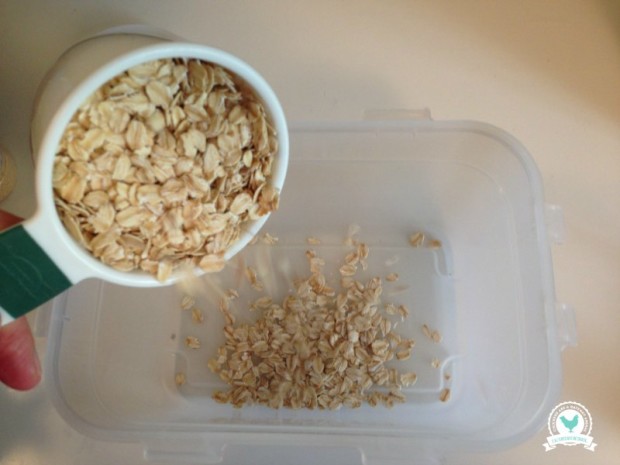
1 cup Oats
1 cup Split Peas
1 cup Lentils
1 cup Black Oil Sunflower Seeds
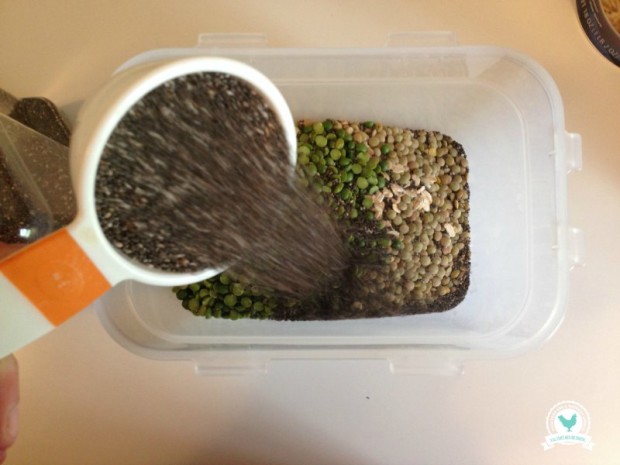
1/2 cup Chia Seeds
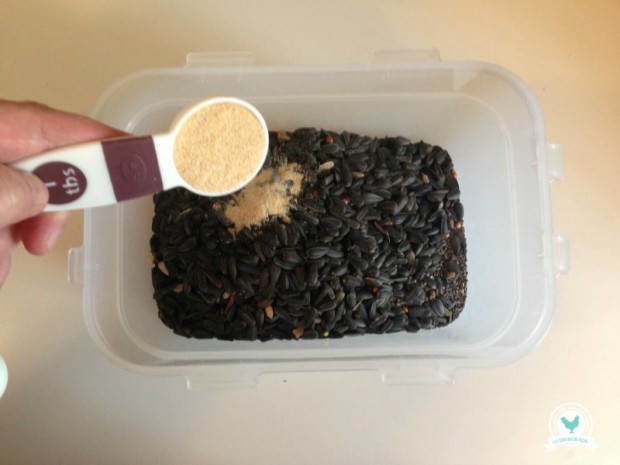
1 Tbsp Garlic Powder 

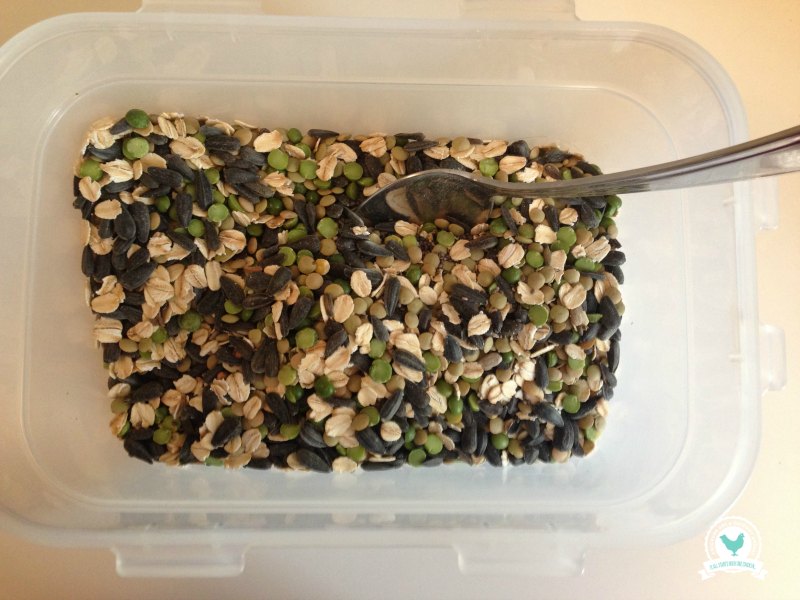
We find this makes enough for breakfast for 6 chickens (5 girls and a roo).  If you have more than 6  birds you will probably need to increase the amounts listed above.

The oats are the big favorite with our girls, they will almost always eat those first.  The chia is also quite popular which makes me happy.  It’s important that you shake this up really well before serving because the garlic sinks to the bottom quite quickly.  I know that some people will mix in a little flax seed oil, or molasses to their feed to help the lower density ingredients stick, but I prefer to keep this mix dry.  When they’re done, the bowl is pretty much sparkling clean so I know they’re ingesting most of the garlic and that’s important to me because I add it as a little lice/worm/mite preventative.  I have no personal evidence that this works, but I have read about quite a few people adding garlic so I figured it can’t hurt.

I know this is fairly obvious, but I was making some this weekend and took pics of each step - you don’t need them because you’re smart - but I know some people love pics, so this is for them! 🙂

chicken-treats-14

chicken-treat-1

chicken-treats-3

chicken-treats-6

chicken-treats-8

chicken-treats-10

chicken-treats-11

chicken-treats-13

I’ve been working on another little experiment with the Black Oil Sunflower Seeds and I should be ready to share that next week.  Another inexpensive way to improve the diet of your animals without breaking the bank.

 chicken-treats-pinterest

Filed Under: Chickens Tagged With: chicken feed, chicken scratch, chicken treats, healthy chicken feed, organic chicken feed

Giveaway: Chicken Hot Topics eBook [CLOSED]

February 28, 2015 by Ros Leave a Comment

Being relatively new to chicken-keeping I am often faced with decisions about their care that my usual Google search for answers method won’t solve for me. There are so many conflicting opinions on things like how best to deal with pests, what’s the best kind of coop litter and what is the most humane way to end a bird’s suffering? Our girls provide us with a steady supply of eggs, and in return we want to give them the best, most comfortable and happy life that we can. When Google doesn’t have a clear answer for me I panic!

I was lucky enough to get my hands on a copy of Jessica Lane, from The104Homestead’s new book Chicken Hot Topics: Controversial Husbandry Practices (affiliate link) and honestly it felt like she had read my mind and answered all my questions with FACTS. That’s right, facts. This is not a book of opinions and conjecture, rather Jessica has taken the time to research the science behind these “hot topic” dilemmas and then breaks the science down into small bites the layman can understand.

I really enjoyed this book and I know that you will too which is why I am excited to announce that we will be giving away a copy to one lucky reader!!

This giveaway is closed for new entries. 

The giveaway is closed to new entries, but you can feel free to subscribe, or join us on Facebook through the following links.

1) Enter your email address and subscribe to the blog.:


2) Make sure that you’re following us on Facebook.

 Giveaway closed on Saturday, March 7th, at 8am CDT and the winner will be contacted by email.

If you weren’t the lucky winner but you’d like to get your hands on a copy of the book, buy it now by clicking here (affiliate link).

Think you know chickens? Think again! Get the answers in Chicken Hot Topics.

Filed Under: Chickens Tagged With: giveaway

Sick Chick

February 4, 2015 by Ros 3 Comments

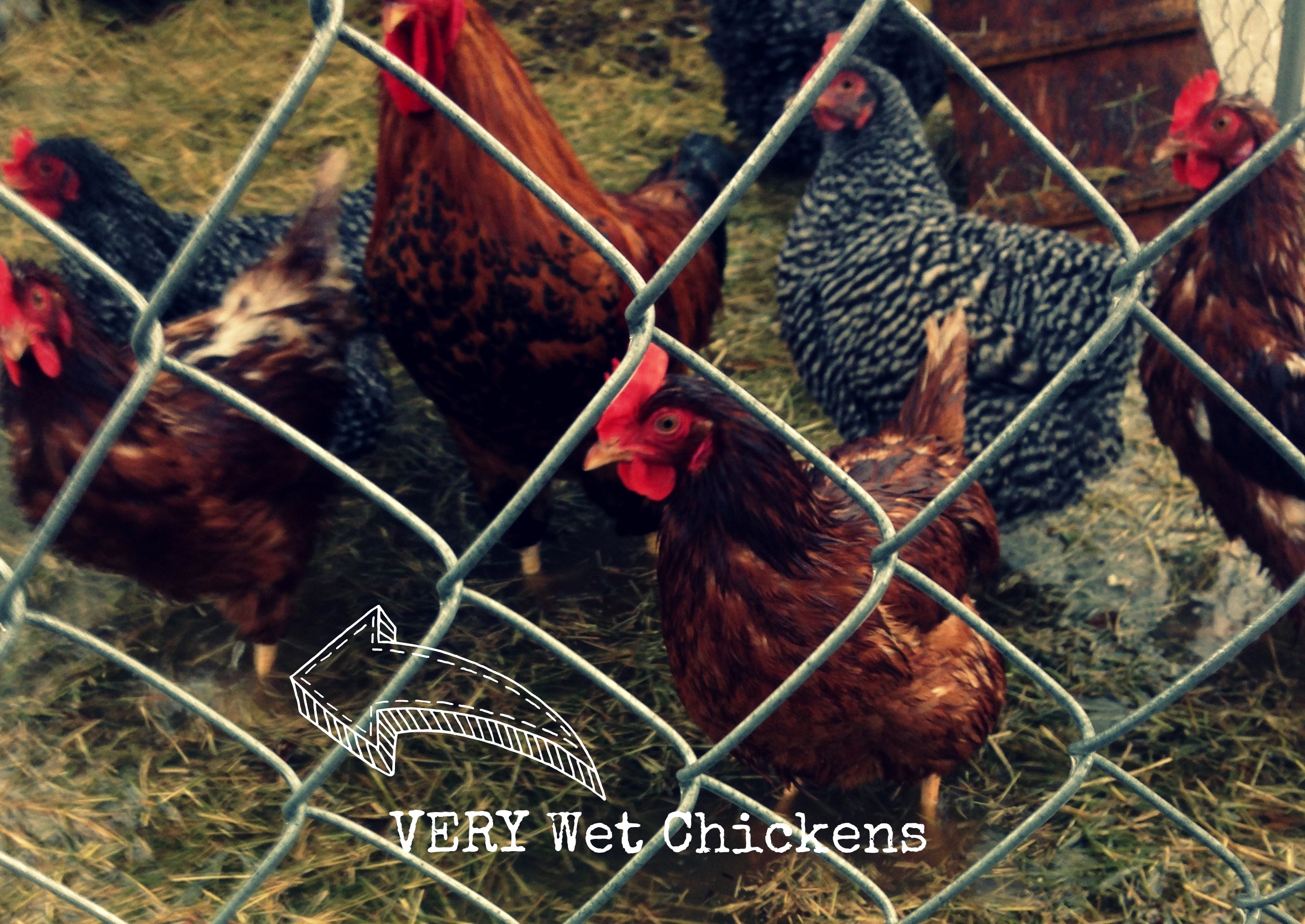
Remember the storm we had two weeks ago?  Remember this picture?

Wet-Chickens


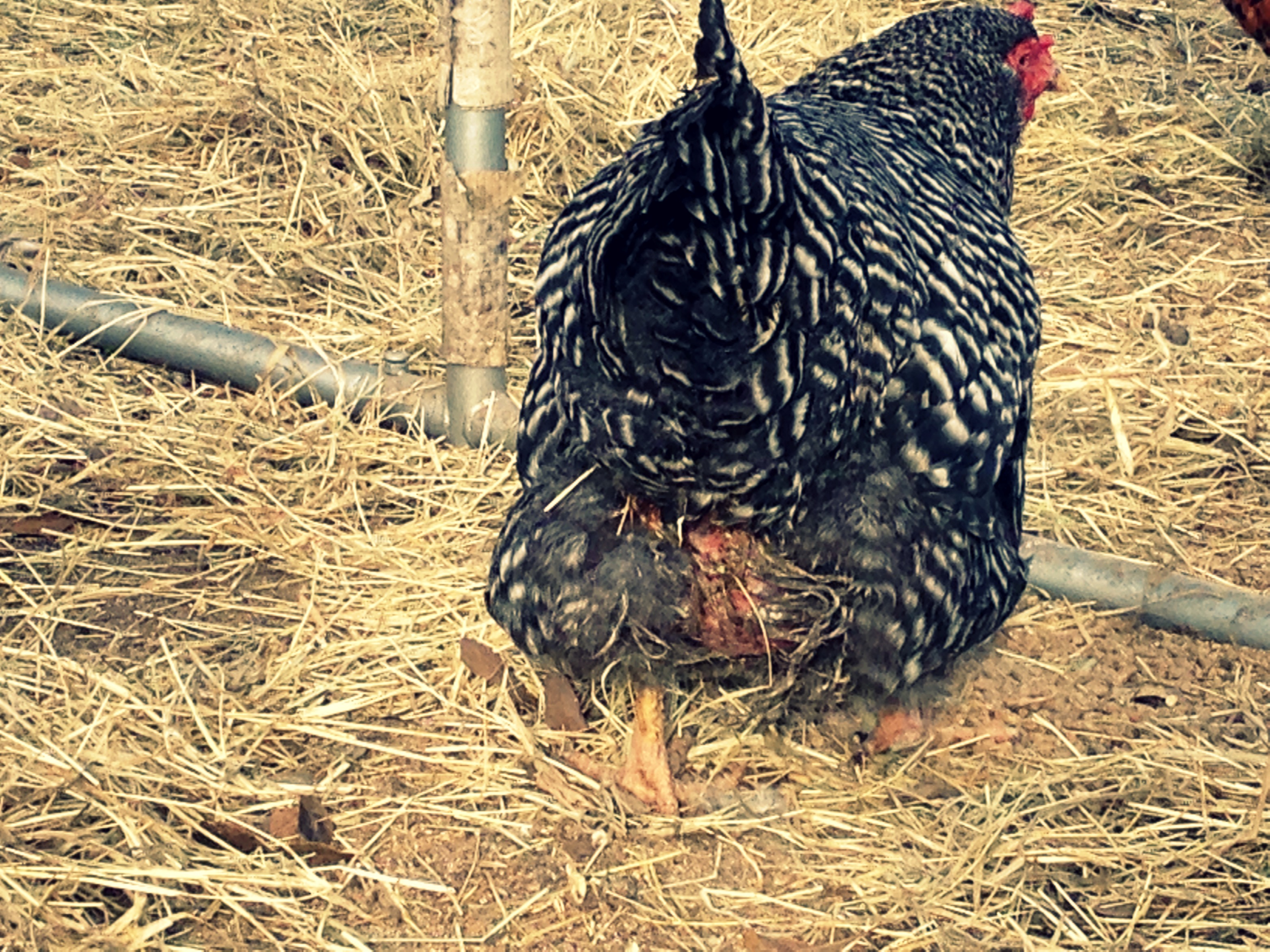
Yes, the poor girls were SOAKED!  Thankfully the rain stopped, the water went down and I was able to get into the pen to clean up within 24 hours of the storm.  I noticed that someone was sneezing but of course when I stood there to try and figure out which one I was hearing not a peep was heard out of them.  In the days that followed everything went back to normal, and no more sneezes, but I did noticed some pretty horrific wet stools.  I checked them all for lice and visible signs of illness and everyone checked out.  Two of our girls are on the tail end of molt so they look pretty rough at the best of times.  But on Monday I noticed one very nasty looking backside…

Sick-Chick-1

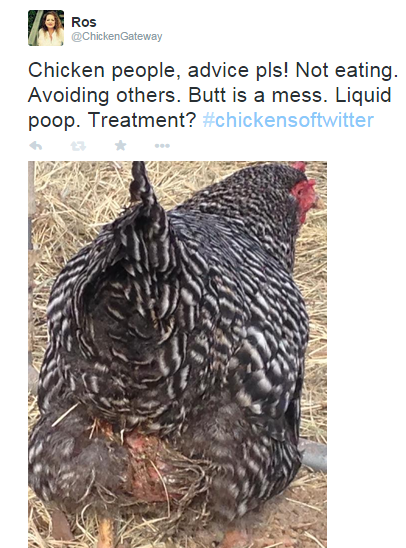
YIKES!!  This is one of our recent molters - but this doesn’t look like molt to me.  I brought her indoors in a pet carrier, and put out a call for help on our Twitter account, and checked with some of the experts in the forums I belong to.

UntitledSick-Chick-Twitter


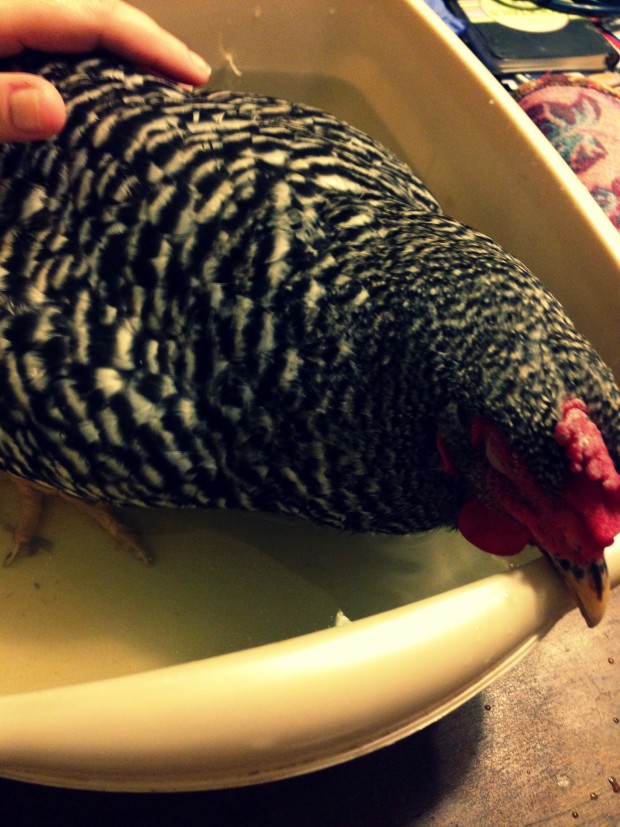
And various suggestions were put forward.  One suggested that she may have a strong lice infestation - I checked and didn’t see any.  Another suggested she is possibly egg bound, and research online revealed that she did indeed have  a lot of the same symptoms, so I went ahead and prepared her a warm epsom salt bath.

Sick-Chick-3

She seemed to enjoy that.  But when I was drying and cleaning her - KY Jelly at the ready to help free her from the offending egg - I felt around and couldn’t feel any egg block at all.  So we scratched that off our list of possible issues.  This is when she started wheezing, badly!  She really sounded raspy and was breathing with her whole body.  She sounded like a purring cat, and appeared to be putting every ounce of energy she had into breathing. A Google search revealed that she may have a respiratory infection, again, the symptoms matched very well.

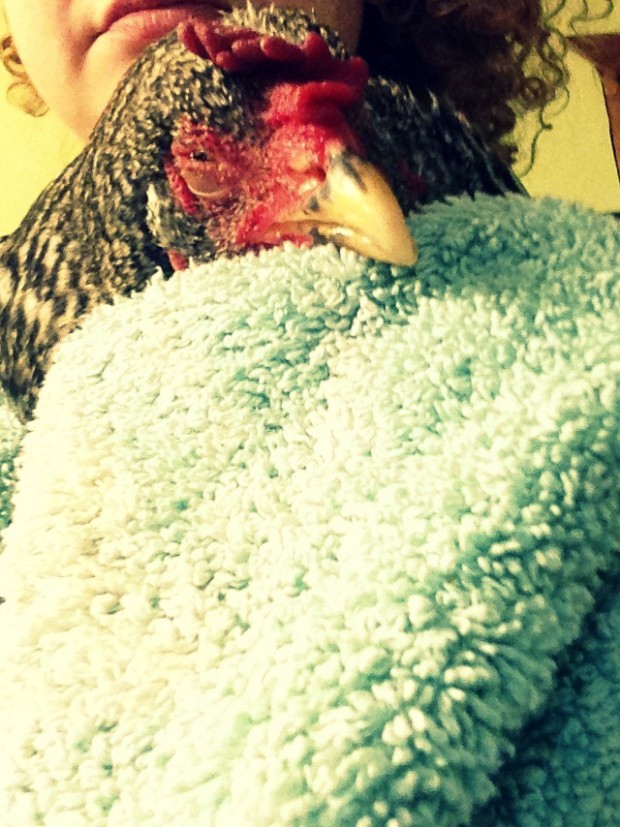
Sick-Chick-4

We made the decision to give her antibiotics.  We don’t have a chicken vet any where near us, so this was the best thing we could do for her.  Roddy ran out to pick up a bottle of Tylan 50 from TSC and we started her on 1/2cc.  (Just a note here:  Apparently the dose for a full sized adult chicken is 1/2cc twice daily for 5 days.  For bantams it’s 1/4cc)

Within 30 minutes the raspy breathing stopped and appeared to be less labored.  She still rarely opened her eyes and instead just lay there in the hay in the pet carrier and slept.  After her second dose last night she appeared slightly more alert — SLIGHTLY - and opened her eyes when we would go in to check on her.  

She still doesn’t seem to have eaten anything and I am growing concerned about her lack of water intake, but when we gave her her morning dose today she had her eyes open throughout.  Promising!

Of course right now she is lying face down in the hay again… so I won’t get my hopes up. We’re doing the best we can to help her fight whatever this is.  Let’s hope we can save her.

Her coop mates are all bright and perky and not showing any signs off illness.  We’ve boosted their water with a little ACV and added more free choice calcium options.  We’ll be working on their coop this weekend trying to figure out a way to avoid this kind of flood in the future.

EDIT:  We just went in to check on her and found her no longer breathing.  She fought bravely, but unfortunately it was not to be. I am going to have to learn to toughen up - I don’t (yet) take deaths very well.  :'(

Have you dealt with illness like this in your own flock? What kinds of medications do you keep on hand for your chickens? Help me to learn from your experience in the comments below.
Filed Under: Chickens Tagged With: chicken illness

  • 1
  • 2
  • Next Page »

CATEGORIES

Keep in Touch!

INSTAGRAM

Load More...Follow on Instagram

Copyright

© Roslyn and Roddy Adcock, Chickens are a Gateway Animal, 2015.

Unauthorized use and/or duplication of this material without our express written permission is strictly prohibited. Excerpts of up to 50 words, links and watermarked images may be used, provided that full and clear credit is given to Roslyn Adcock or Roddy Adcock (as appropriate), and Chickens are a Gateway Animal with specific live links/direction to the original content.

Affiliate Disclosure

Chickens are a Gateway Animal is a participant in the Amazon Services LLC Associates Program, an affiliate advertising program designed to provide a means for sites to earn advertising fees by advertising and linking to amazon.com.
For more information...
Contributor at the Homestead Bloggers Network

Categories

Archives

Copyright © 2020 · Lifestyle Pro Theme on Genesis Framework · WordPress · Log in